
After a set of upgrades on a 1975 Glenrosa home in West Kelowna, Thrive’s post-retrofit EnerGuide evaluation rated the house at 11 GJ/year. Before counting solar, the house is modelled to use 92 GJ/year, about 25 percent less than the 122 GJ/year of a typical new house of the same size, and its solar system offsets 81 GJ of that.
The upgrades were solar PV (about 19 kW), a dual fuel heat pump with a 97 percent efficient gas furnace, and new foundation wall, attic and cathedral ceiling insulation. The file was accepted by NRCan, and the evaluation shows air leakage, windows and walls as the next places to look.
Post-retrofit evaluation by Noah Salisbury, Registered Energy Advisor, Thrive Energy Inc., September 2026.
Project at a glance
| Project detail | Description |
|---|---|
| Location | Glenrosa, West Kelowna, BC |
| Project type | Single family home built in 1975, about 3,200 sq ft |
| Service | Post-retrofit EnerGuide evaluation with blower door test |
| Upgrades | Solar PV, dual fuel heat pump, foundation wall insulation, attic and cathedral ceiling insulation |
| Evaluation date | September 2026 |
| EnerGuide rating after upgrades | 11 GJ/year |
The project: upgrades on a 1975 Glenrosa house
The homeowners took on a set of upgrades on a 1975 house in Glenrosa and financed them through the Canada Greener Homes Loan. The loan requires a post-retrofit EnerGuide evaluation to confirm the work before it pays out, so Thrive came in to evaluate the house after the upgrades were finished. (The Greener Homes Loan is now closed to new applicants. Homeowners who already have an approved loan still need the post-retrofit evaluation.)
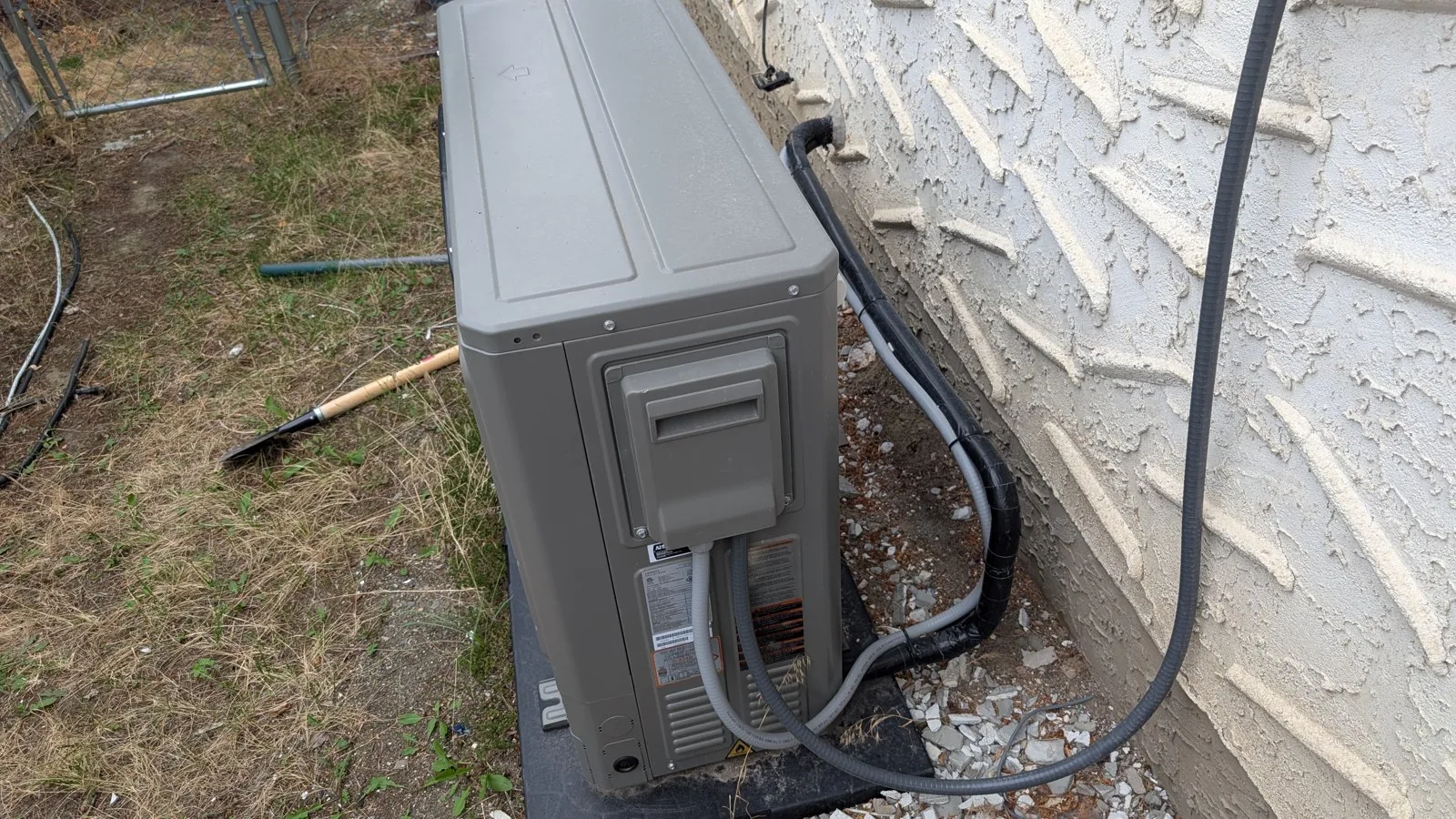
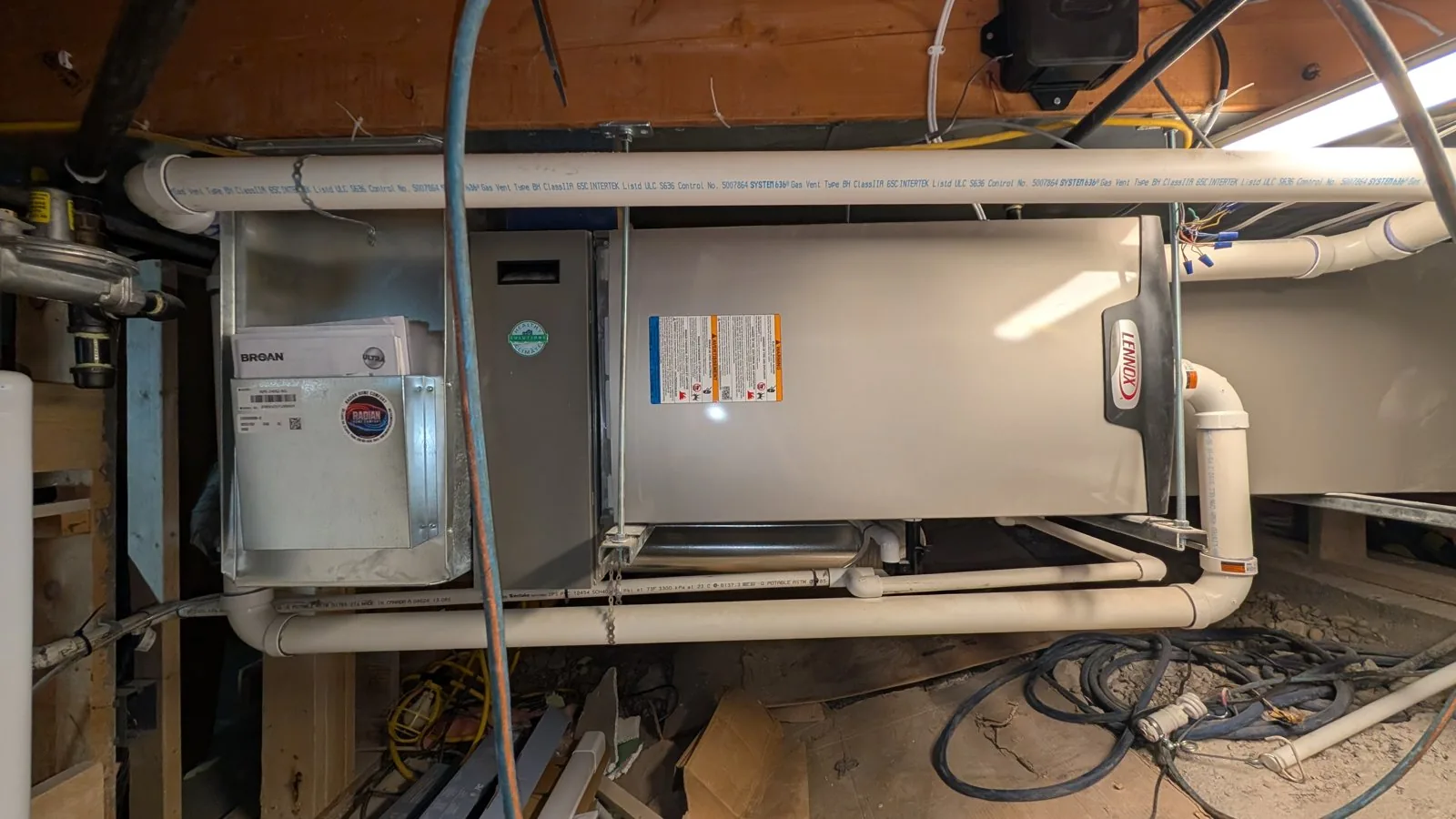
The upgrades were:
- A solar PV system, expanded during the project from about 14 kW to about 19 kW
- A dual fuel system: a central air source heat pump paired with a 97 percent efficient gas furnace
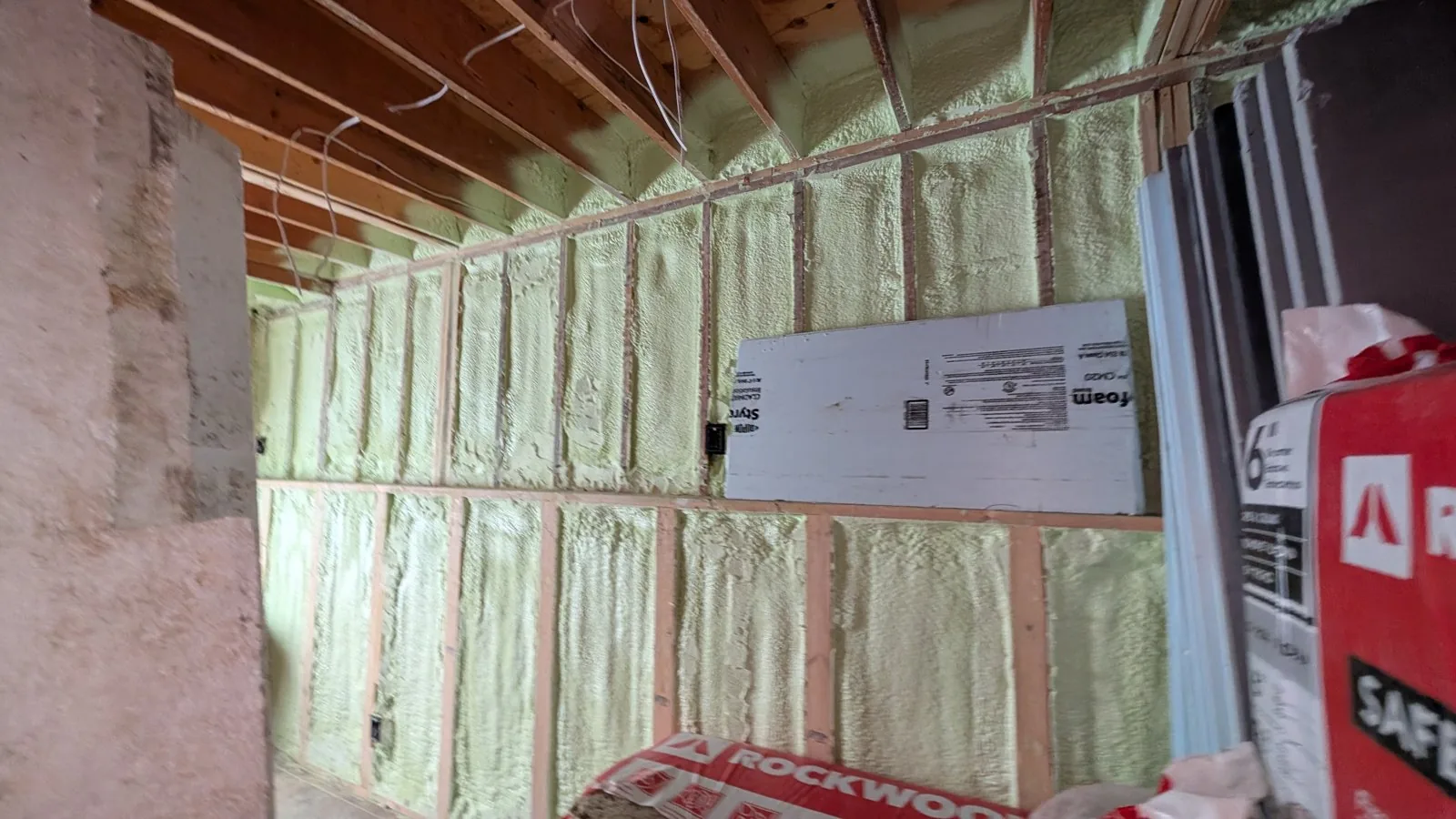
- Insulation on the basement foundation walls
- More insulation in the attic and cathedral ceilings

What the post-retrofit evaluation covered
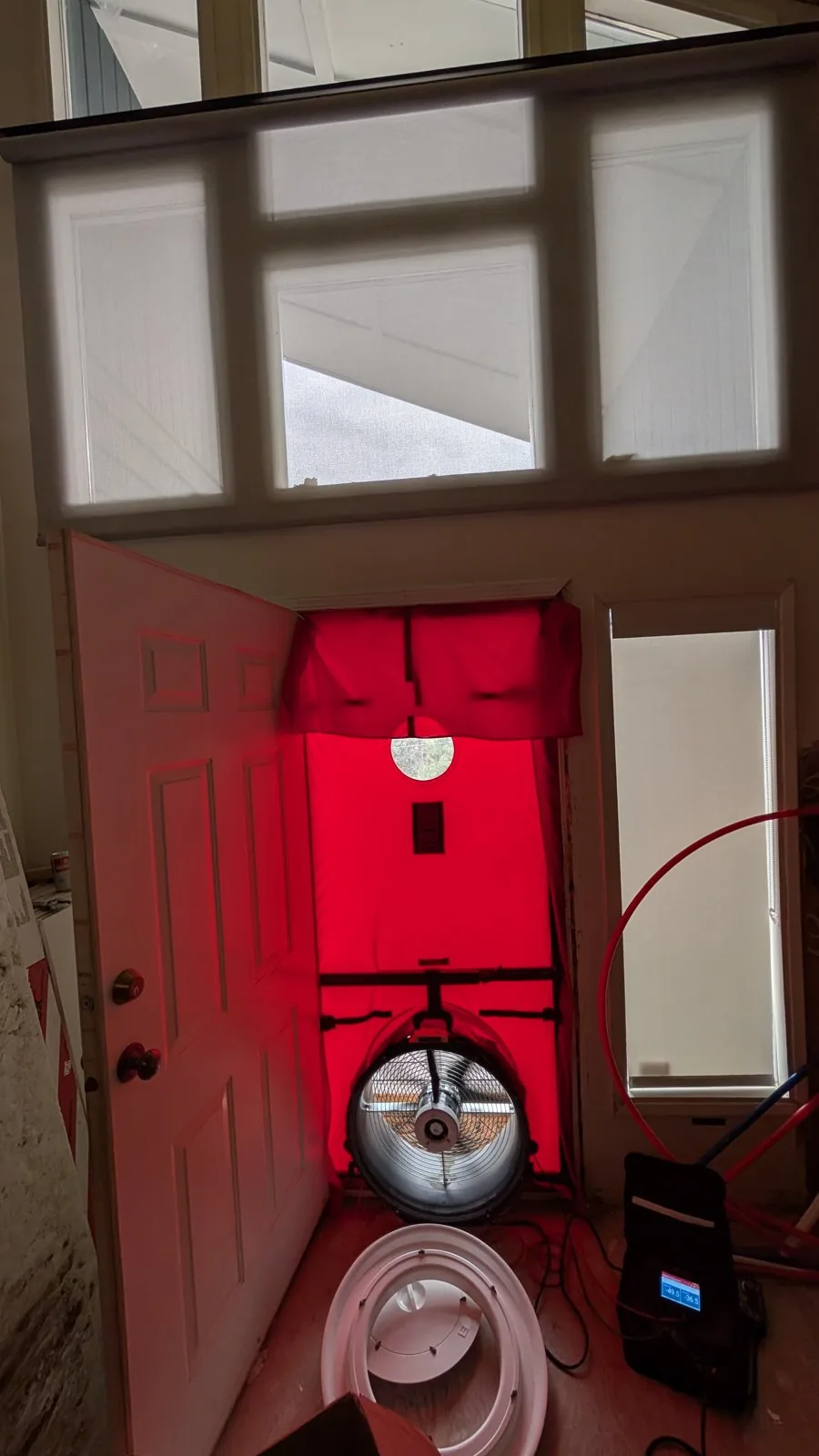
Noah did a full EnerGuide evaluation of the finished house. That means a blower door test for airtightness, measuring and recording the insulation, windows, doors and mechanical equipment, and building an energy model in HOT2000, the software Natural Resources Canada uses for the EnerGuide Rating System. He also recorded the new equipment and the solar system so the work could be documented for the loan.
Results: an EnerGuide rating of 11 GJ/year
| Item | After upgrades |
|---|---|
| Rated annual energy use | 92 GJ/year |
| Solar contribution | 81 GJ/year (about 22,500 kWh) |
| EnerGuide rating | 11 GJ/year |
| Typical new house of the same size | 122 GJ/year |
| Rated greenhouse gas emissions | 1.1 tonnes/year |
The solar system is doing most of the work on the rating, offsetting 81 of the 92 GJ the house is modelled to use in a year. With a dual fuel system, the heat pump covers most of the heating season on electricity and the gas furnace takes over on the coldest days, so most of the home’s energy use is now electric and largely covered by its own solar production.
The file was accepted by NRCan, which let the homeowners move ahead with finalizing their loan.
Where a 1975 house still loses heat
Even after all this work, the evaluation shows where the house still loses heat:
- Air leakage. The blower door test came in at 6.39 air changes per hour at 50 Pascals, and air leakage is now 22 percent of the home’s heat loss. Air sealing would be the next step.
- Windows. Most of the windows are double glazed units without low-E coatings. They account for 25 percent of the heat loss.
- Walls. The 2×4 walls are another 25 percent.
These don’t need to happen all at once. The EnerGuide report gives the homeowners a clear picture of where to look next if they want to keep going.
What other homeowners can take from this
- An older house can rate better than a new one. With solar and an efficient heating system, a 1975 house can come in under a typical new build on its EnerGuide rating.
- Solar and a heat pump work well together. Moving heating onto electricity means the solar system offsets more of what the house actually uses.
- Keep the before and after evaluations. Some loan and rebate programs need a pre-upgrade and a post-upgrade evaluation, and the post-upgrade one documents exactly what was achieved.
- Air sealing is easy to overlook. It’s often cheaper than the big-ticket items and makes the house more comfortable. Test for radon first, since sealing a house can raise radon levels.
Frequently asked questions
What EnerGuide rating did the 1975 Glenrosa home get after its upgrades?
11 GJ/year. The house is modelled to use 92 GJ/year, and its solar system offsets 81 GJ/year (about 22,500 kWh). A typical new house of the same size is 122 GJ/year.
What upgrades were done on the house?
A solar PV system expanded from about 14 kW to about 19 kW, a dual fuel system pairing a central air source heat pump with a 97 percent efficient gas furnace, insulation on the basement foundation walls, and more insulation in the attic and cathedral ceilings.
Why did the homeowners need a post-retrofit EnerGuide evaluation?
They financed the upgrades through the Canada Greener Homes Loan, which requires a post-retrofit EnerGuide evaluation to confirm the work before it pays out. The loan is now closed to new applicants, but approved loan holders still need the post-retrofit evaluation.
What should the homeowners look at next?
Air leakage, windows and walls. The blower door test came in at 6.39 air changes per hour at 50 Pascals, with air leakage at 22 percent of the heat loss, windows at 25 percent and the 2×4 walls at another 25 percent. Test for radon before air sealing.
Book a pre or post-retrofit EnerGuide evaluation
If you have upgrades done or planned, Thrive Energy can document what was achieved and show you where your home still loses heat.
Call 778-867-0242 or contact Thrive Energy.
About The Author
