Electrification in BC is moving faster than the electrical grid can keep up. Builders and homeowners are being pushed toward all-electric homes through the BC Energy Step Code and Zero Carbon policies. At the same time, electrical service upgrades, utility requirements, and infrastructure limits are creating real challenges. Heat pumps, electric water heating, EV charging, and secondary suites all increase electrical demand, and in many communities the systems supplying that power are already stretched.
If you live or build in Kelowna, you’ve probably also run into the same growing concern that everyone else has: we’re being asked to electrify homes quickly. Often times faster than utilities, infrastructure and even our electrical code can keep up with. Should the end user bear the costs of electrification infrastructure?
Here’s a look at what’s happening, why it’s becoming such a challenge and what builders and homeowners need to be aware of.
Electrification in BC and Current Electrical code
On paper, electrification makes a lot of sense. BC has clean, renewable electricity. Heat pumps are extremely efficient and new Step Code and Zero Carbon requirements push homes away from fossil fuels. Many builders and homeowners want to do the smart thing for the climate. Municipalities are also now encouraging all-electric homes for lower emissions and reduced operating costs.
The real world, however, is more complicated than an energy policy document.
New homes in BC must be wired to meet BC Electrical Code. The code determines the minimum service size required for a home based on the connected load, not based on the demonstrated or realistic load. That means calculations assume everything will be running at once at full output. In reality, heat pumps modulate. Electric ranges cycle. Water heating loads vary and EV chargers are often throttled or load-managed. The Canadian Electrical Code (CEC) also requires application of percentage-based safety factors to ensure we never approach overloading the electrical service.
Even when real-world load monitoring shows far lower peak demand, the electrical service still has to match the code requirements. That’s where challenges arise. We call for more and more power, and subsequently “reserve” that power, even though it’s unlikely that anywhere nearing full capacity will ever be used or needed. This costs everyone extra.
Examples of increasing cost of electrification in new construction
Local municipalities and utility infrastructure in the Interior are years away from being ready for zero carbon initiatives. Here are a couple of local examples of the cost of required infrastructure upgrades being passed onto homeowners.
Example 1:
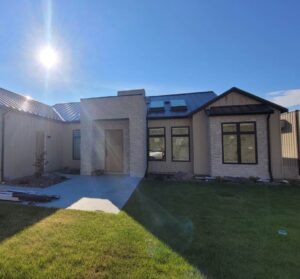
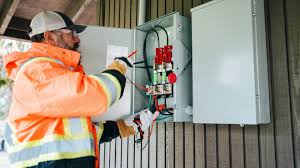
A single family custom home targeting Step 4 of the BC Building Step Code in the City of Penticton went all electric. This was an alignment with the homeowner’s priorities. Based on the code-compliance calculation completed, that home required a 320 amp service. Utility charges mounted an extra $10,000 to the homeowner in order for grid upgrades to provide this home with 320 amps.
Example 2:
The tear down and rebuild of a new home in The District of Summerland required that in order to reconnect to power, homeowners were charged $27,000 in infrastructure upgrades by the utility provider for a 200 amp overhead service.
These costs are not trivial. Everything in the construction industry is seeing rising costs. How can we expect the general public to bear the upfront costs of electrification and grid upgrades needed to achieve our climate goals?
Now, don’t get me wrong… I’m an advocate of policy and regulation that provides solutions for climate change, but when our policies and codes put the financial burden heavily on the constituent, I don’t think that’s an effective strategy for long-term improvement. We have a slowing construction sector in the midst of an affordability crisis, a housing crisis, and a climate crisis. So how do we effectively manage all these things at once?
It’s my view that on the path to electrification, building codes should not allow Utilities to upgrade their infrastructure on the dollars of homeowners/builders. The grid (Fortis BC & BC Hydro) should be providing single family dwellings (SFDs) with 200-400amp services without passing the significant burden of the costs along to the end user. This also provides the utility provider real motivation in saying, hey, we need to change our electrical codes and practises – these homes really don’t need this much power. This can be a much louder voice and more powerful lobbyist than an individual homeowner or builder’s feedback.
There are increasingly smarter products and more options coming online that will help us use the electrical power we currently have in smarter and more efficient ways. These solutions will play a large role in not having to constantly “call for more power”, but distribute it in a more efficient way.
A Case Study of Our Home & A Proposed solution For Existing Homes
My family lives in a spec. built single family home from 2010. Being in the industry and wanting to do our part in curbing operational GHG emmissions from housing, we’ve slowly been taking advantage of available incentives to improve the efficiency of our home on a modest budget. Our attic insulation was upgraded to R60, we have installed a dual fuel heat pump system, improved the air tightness of the home where possible, and added solar panels with a battery storage system. Together in total for all these upgrades, we’ve spent less than $12,000 out of pocket by having the right-timing with the various incentive programs. On the list of upgrades that we will get to eventually are windows/doors and the domestic hot water heater.
Our current electrical service is 125 amp to the home with a 125 amp busbar.
With this electrical service we have the following loads:
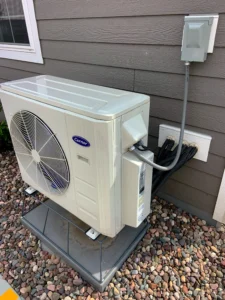
-Cold Climate Air Source Heat Pump as primary heating/cooling, with supplemental gas furnace backup
-Standard electric domestic hot water tank
-2 set of Washers/Dryers (basement rental suite)
-2 Stoves (basement rental suite)
-An EV Charger
-8.2 kW Solar array & battery storage system
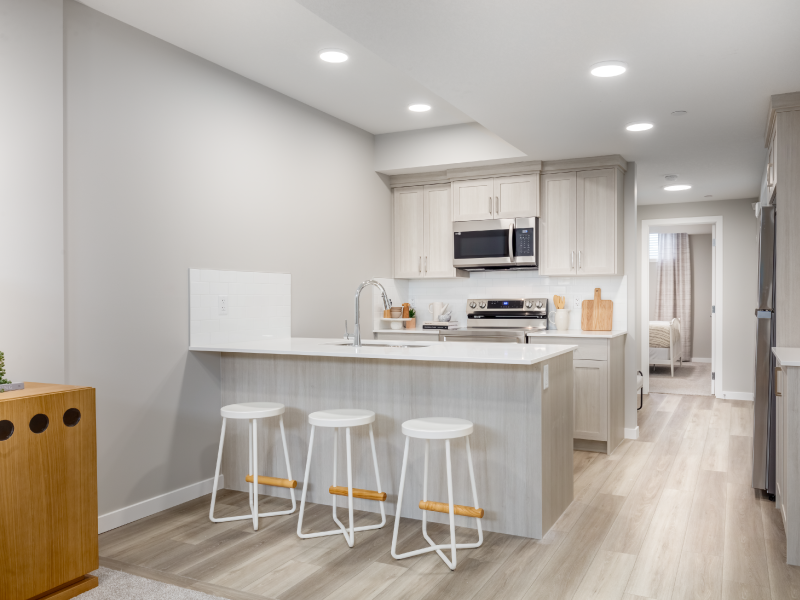
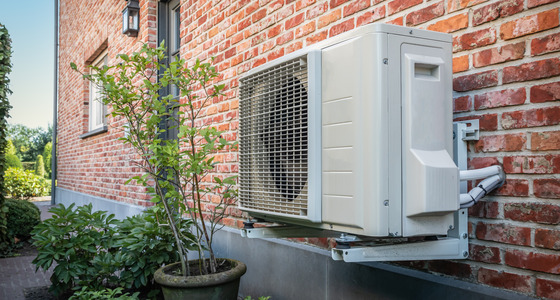
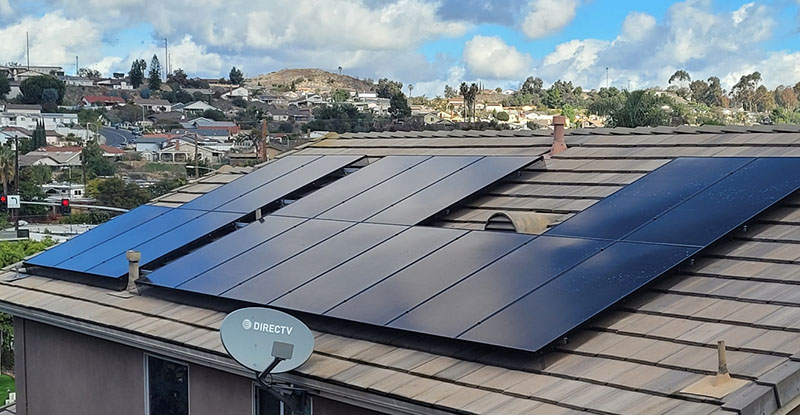
This is a list of the most significant loads, and of course we have many other loads that any home would or might have such as lighting, applicances, fridges, freezer, TVs, plug and play hot tub, etc. After all of those loads, there is still some electrical capacity available without upgrading to a 200 amp service. How?
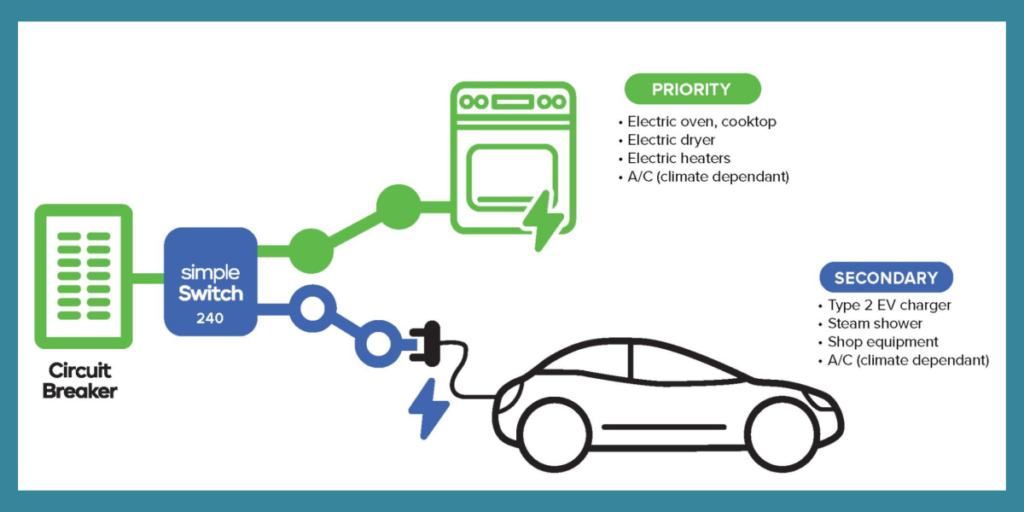
Here’s how: Within the Canadian Electrical Code (CEC), Ontario Electrical Safety Code (OESC) Bulletin 8-3-15, and Technical Safety BC Information Bulletin IB-EL-2023-01, for an existing home, allowed is what’s called a “Demonstrated Load Calculation”. I’ve outlined what this is in the next section. Currently, the demonstrated load method is allowed only for existing homes. In addition to using this form of calculation for existing homes, we should also be incorporating load sharing and load switching devices to limit service upgrades. EV chargers don’t need their own 30-50amp circuit when it can be shared with the stove, dryer, or hot tub for, example. Our blog post on electrical load sharing can be found here.
Now let’s talk about demonstrated load.
What is demonstrated load?
The Demonstrated Load Method is an alternative approach permitted by the Canadian Electrical Code (CEC) for verifying whether an existing electrical service has adequate capacity to support additional loads without requiring a service upgrade.
Instead of calculating service size using the full connected loads and demand factors prescribed in the CEC, the Demonstrated Load Method relies on actual measured demand recorded at the home’s main service conductors. By capturing real-world peak usage during periods of typical occupancy, this method provides a more accurate representation of the home’s true electrical demand rather than using theoretical calculations, which assume all major appliances operate simultaneously.
Under this method:
A qualified person measures the maximum demand current over a representative period (typically 1 year, depending on local authority requirements). This data can come from historic utility data.
The measured demand is then compared to the service rating to determine how much spare capacity remains.
If the demonstrated peak demand, plus the proposed new load, does not exceed 80% of the existing service rating (or other limit set by the AHJ), the existing service is deemed adequate.
This approach should be widely used because it reflects how homes actually operate, where loads such as ranges, dryers, EV chargers, and HVAC systems seldom run at the same time, and therefore avoids unnecessary and costly service upgrades when the real demand is well below theoretical values.
Kelowna Is Growing Faster Than the Grid
Kelowna is one of the fastest-growing regions in BC. More homes, more secondary suites, more density and more electrification all add up to increased electrical demand.
Builders are currently seeing:
• Delays in getting new electrical service connections
• Longer wait times for Fortis BC upgrades
• Higher costs for larger service sizes
• Restrictions in certain neighbourhoods
• Serious challenges for homeowners wanting to add EV chargers or switch from gas to electric heating
This isn’t because people are generally using too much electricity.
The existing electrical infrastructure was never designed for every home to have:
• a heat pump
• an electric water heater
• an EV charger
• electric ranges
• a rental suite with its own set of loads
Electrification was layered onto a grid built for a different era.
The Electrical Code Is Part of the Challenge
The BC Electrical Code requires that service sizing be calculated using specific formula for connected loads. These calculations are intentionally conservative to protect safety and reliability, but they do not reflect:
• real heat pump operating profiles
• diversity factors for modern homes
• load-managed EV chargers
• sub-metered suites
• actual measured peak demand
So even when homeowners and builders can prove that the actual load would be far lower than the calculated load, the service size must still match the code (this isn’t the same case for existing housing).
That means homeowners in Kelowna often have to:
• upgrade from 100A to 200A service
• install larger services, panels and busbars
• pay for service upgrades that may be totally unnecessary
• wait for transformers or neighbourhood upgrades
Builders are stuck between trying to follow code and electrify homes, while also struggling with the literal limits of the system delivering the power and the costs that come with increased electricity supply needs.
Why Electrification Still Matters
Despite the challenges, electrification is still the right move long-term. Heat pumps significantly reduce energy consumption. BC electricity is 98 percent renewable and all-electric homes produce far less GHG emissions.
However, the transition needs to align with:
• realistic electrical service availability
• utility infrastructure upgrades and cost
• updated code requirements that reflect real performance and usage
• load-management technologies that reduce peak demand
BC is working toward these changes, but we aren’t there yet. Builders and homeowners are caught in the gap between policy goals and infrastructure reality while also trying to shoulder the cost of what they’re currently required to do in order to meet building standards.
What Builders and Homeowners Can Do Now
If you’re planning a new home or major upgrade in Kelowna, here are practical steps:
• Talk to your electrical and mechanical contractors early about layouts, heat pump sizing and electrical implications (every structure needs an accurate heat load calculation to ensure equipment installed isn’t oversized)
• Get heat load calculations completed before sizing equipment (grossly oversized equipment is being installed in new, highly efficient homes every day and this puts an extra drag on electrical demand)
• Speak with your electrician about load-management options for EV chargers and other large but variable loads
• Ask BC Hydro, Fortis BC, or whoever your electricity provider is, early about potential delays or service upgrade timelines
• Plan your electrification path such that the plan isn’t calling for far more electricity than is actually required (things like right-sizing heating/cooling and load switching)
The earlier you start these conversations, the less likely you’ll hit roadblocks. Integrated Design Process is a great idea in order to avoid ways the home operates as a system being overlooked by any individual contractor.
Final Thoughts
Electrification in BC is moving faster than the grid, faster than the electrical code and faster than many builders expected. Kelowna is experiencing growing pains because demand for electricity, efficient heating and EV charging is rising at the same time that infrastructure is trying to catch up.
Electrification is achievable and worthwhile but it requires better planning, early communication with your Energy Advisor and electricians and an awareness of the constraints utilities are working under.